Do you want to enter the prefabricated housing industry?
The basic principle of prefabricated houses: through standardized design, factory production, assembly construction, the building is decomposed into modular components (such as wall panels, floors, beams and columns), and quickly assembled on site.
1. Main types:
Precast concrete construction (PC) : Mainly precast concrete components, commonly found in residential and public buildings.
• Steel structure building: steel components as the core, suitable for high-rise buildings and industrial plants.
• Wooden structure building: common in Europe and the United States, suitable for low-rise residential.
• Modular construction: Complete modules (such as containerized houses) are completed in the factory, even the utilities are pre-installed.
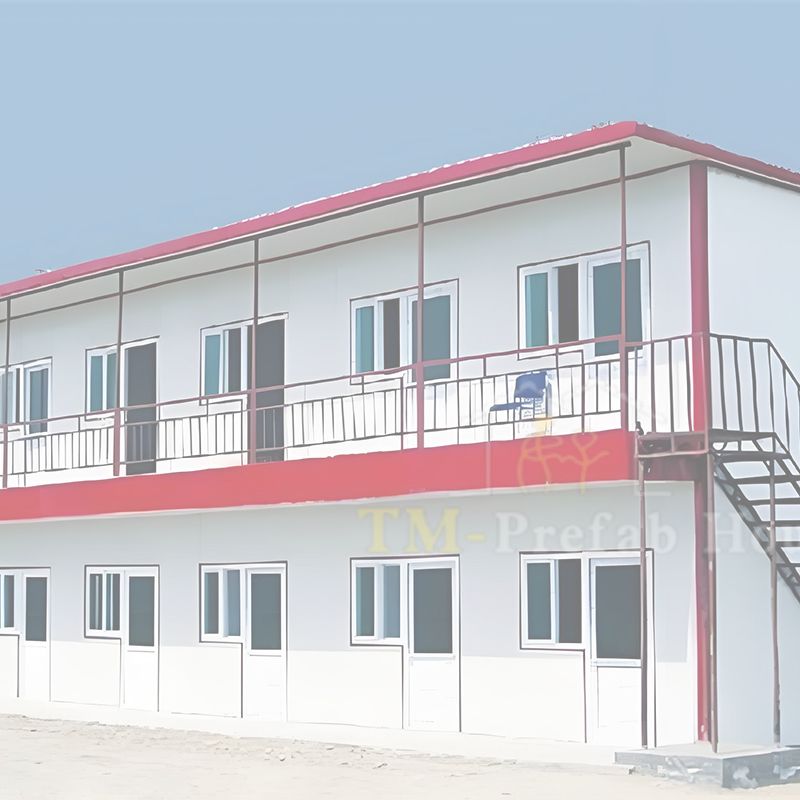
2. Technological progress
• BIM technology: Building information models improve design accuracy and reduce errors.
• Intelligent manufacturing: Automated production lines improve component quality and production efficiency.
• New materials: lightweight, high-strength concrete and composites reduce weight and improve performance.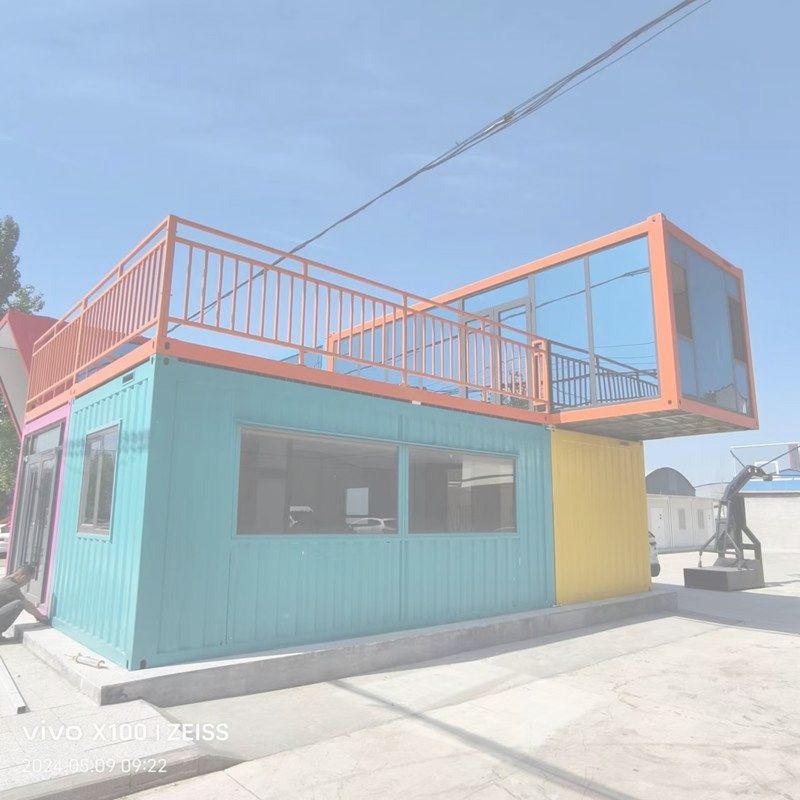
3. Future trends
• Cost reduction: Large-scale production and policy support will make the cost close to traditional buildings.
• Greening: Prefabricated buildings will be an important way to achieve carbon neutrality.
• Diversification: from residential to commercial and tourism (such as modular hotels).
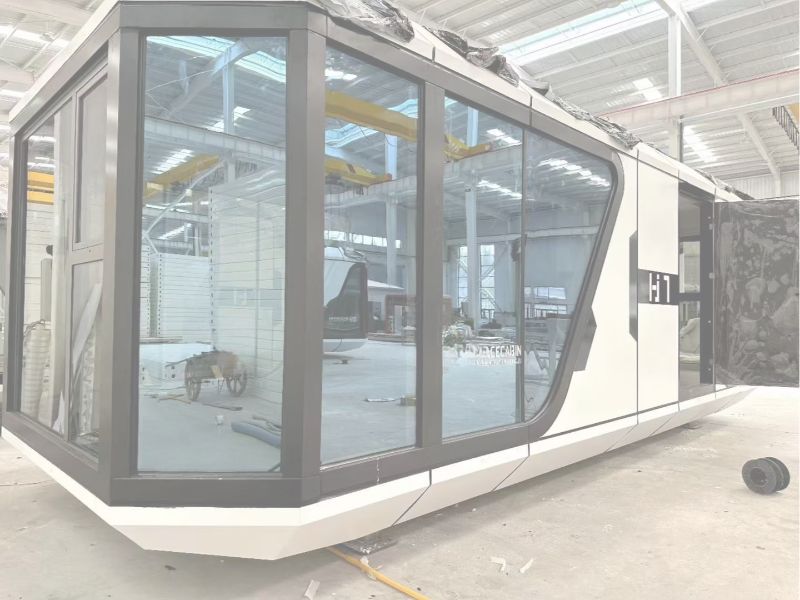
For owners or developers who intend to adopt prefabricated buildings, it is necessary to weigh the advantages and disadvantages according to the project needs, geographical conditions and budget, and choose a reasonable construction method. Prefabricated buildings are not only a technological innovation, but also a key step towards a green future for the construction industry.