Aircraft Hangar Made of Steel Structure In Somalia
A well-designed steel aircraft hangar balances clear-span requirements, environmental loads, and operational needs. Collaboration with multidisciplinary teams and adherence to codes ensures a safe, efficient, and durable structure. Regular maintenance and sustainability practices enhance longevity and reduce operational costs.
Aircraft Hangar Made of Steel Structure In Somalia

Designing a Steel Aircraft Hangar in Somalia
1. Site Considerations:
-
Climate: Somalia's hot, arid climate necessitates materials resistant to high temperatures, UV radiation, and sand abrasion. Coastal areas may require corrosion-resistant treatments due to salt exposure.
-
Wind Loads: High winds and sandstorms demand robust structural design. Use international standards (e.g., ASCE 7, Eurocode) for wind load calculations, assuming wind speeds ≥120 km/h.
-
Soil Conditions: Conduct a geotechnical survey. Sandy soil may require deep foundations (piles) or raft foundations to ensure stability.
2. Material Selection:
-
Steel Type: Use galvanized steel or weathering steel (Corten) for corrosion resistance. Apply epoxy/polyurethane coatings for added protection against sand and salt.
-
Fireproofing: Intumescent coatings or sprinkler systems to meet fire safety standards.
3. Structural Design:
-
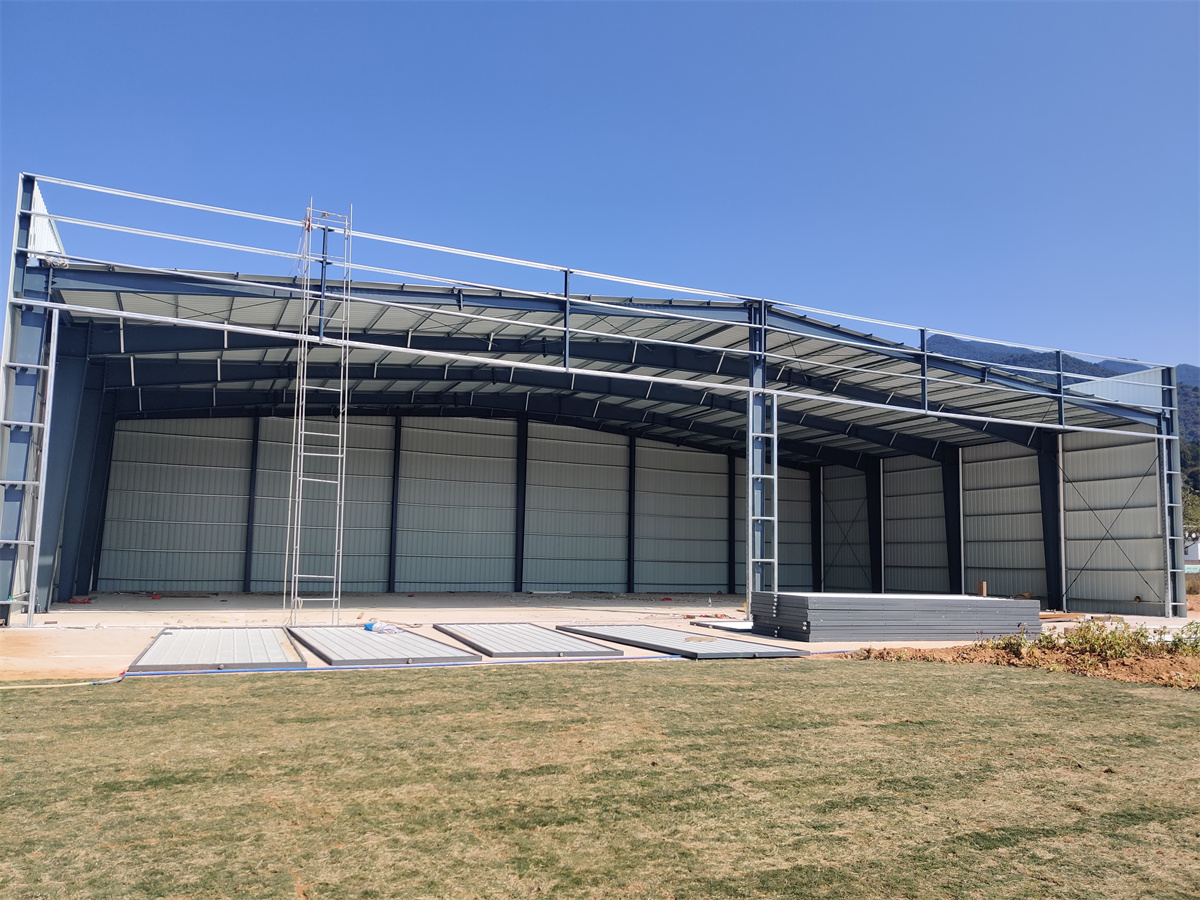
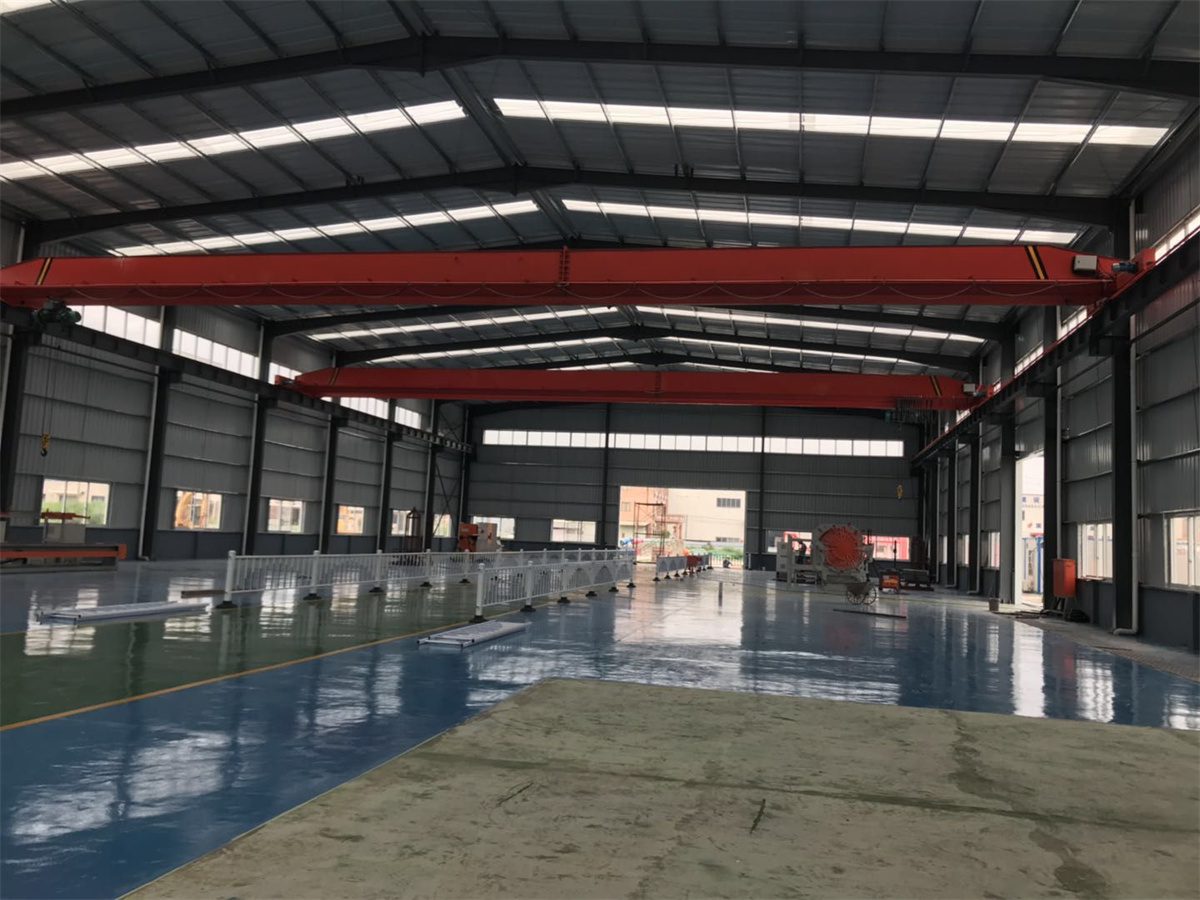
Clear Span: Portal frame design for column-free spaces (span 50–100m). Roof trusses or space frames for large spans.
-
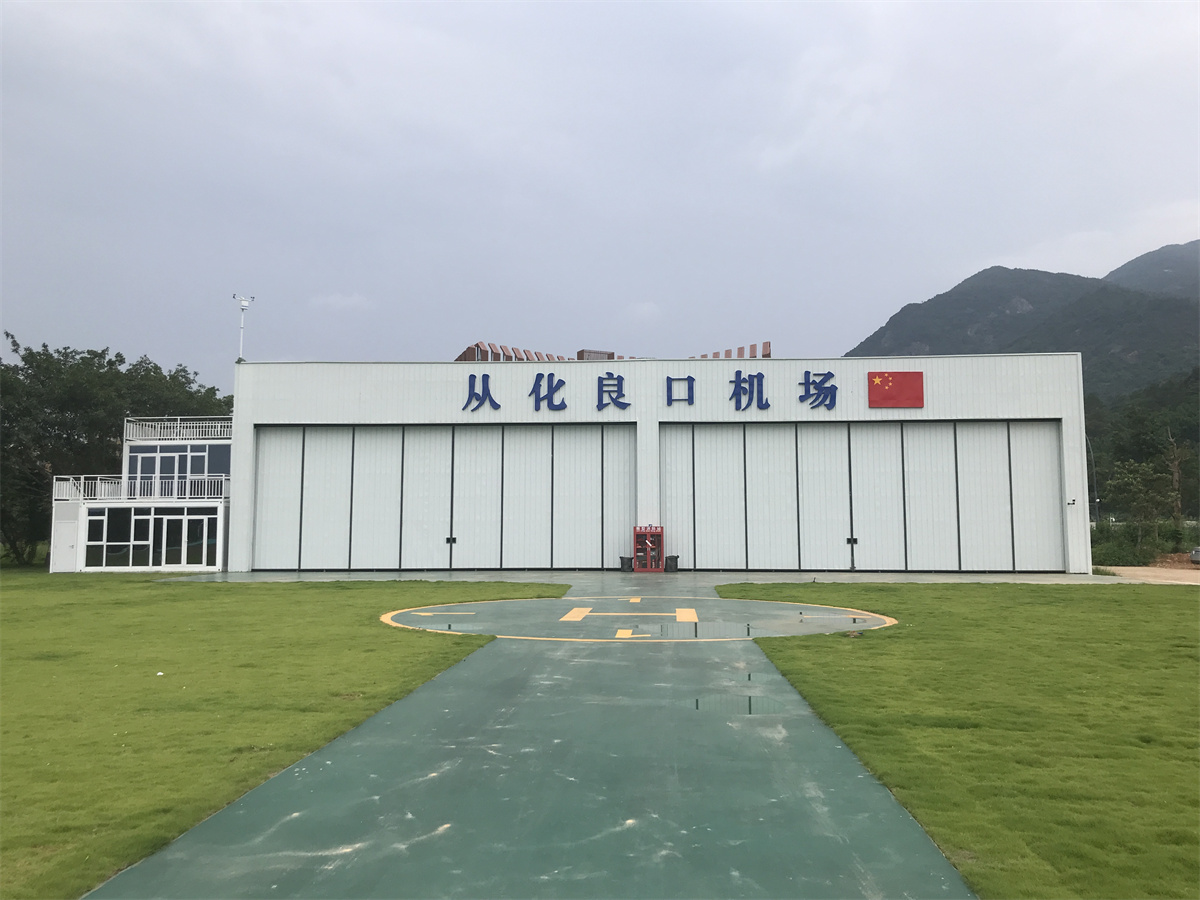
Doors: Sliding/folding doors with reinforced supports. Consider sand-resistant tracks and seals.
-
Foundation: Reinforced concrete floor (30–40 cm thick) to withstand aircraft loads. Incorporate thermal expansion joints.
-
Wind Resistance: Aerodynamic roof shapes (gable/arched) to reduce wind uplift. Secure connections (bolted for ease of assembly).
4. Environmental Controls:
-
Ventilation: Roof vents and louvers for passive airflow. Mechanical systems with dust filters.
-
Insulation: Reflective roof panels (e.g., Aluzinc) to minimize heat absorption. Insulated cladding for temperature control.
5. Security and Durability:
-
Reinforced Walls: Steel cladding with anti-corrosion treatments.
-
Access Control: Secure door mechanisms and surveillance integration.
6. Construction Logistics:
-
Prefabrication: Modular steel components for easy transport and assembly. Prioritize bolted connections over welding.
-
Local Labor: Simplify design for ease of construction with limited skilled labor.
7. Cost and Maintenance:
-
Budgeting: Balance initial costs with long-term durability. Opt for locally sourced materials where possible.
-
Maintenance Plan: Regular inspections for corrosion, door functionality, and coating integrity.
8. Case Studies and Standards:
-
Reference Designs: Learn from hangars in similar climates (e.g., Middle East).
-
Compliance: Follow ISO, IBC, or Eurocode standards due to potential lack of local codes.
Challenges Addressed:
-
Thermal Expansion: Expansion joints and thermal breaks.
-
Sand Abrasion: Durable coatings and sealed ventilation.
-
Logistics: Prefabricated components and simplified assembly.